Finding the Best Scope For Thermal Clip On setups can be surprisingly tricky, especially when you’re working within a budget but still expect reliable precision for target shooting. In my experience, pairing a traditional optic with a thermal clip-on demands excellent glass clarity, consistent tracking, and forgiving eye relief—otherwise, performance drops quickly. Over the past year, I’ve tested multiple affordable scopes mounted on platforms like AR-10 (.308 Win 168gr) and AR-15 (5.56 NATO 62gr), specifically evaluating how well they integrate with clip-on thermal devices. This guide focuses on budget-friendly optics that still deliver repeatable accuracy, solid durability, and clean sight pictures—exactly what you need for serious range work without overspending.
Top Product List: Best Scope For Thermal Clip On
- Arken Optics SH4 GEN2 4-16X50 Rifle Scope FFP – Best budget precision scope for clip-on compatibility
- Athlon Optics Talos 6-24x50 Second Focal Plane Riflescopes – Best for long-range target shooters on a tight budget
- Athlon Optics Neos 6-18x44 Second Focal Plane Riflescopes – Best lightweight option for hybrid setups
- Vortex Crossfire II 3-9x40 (Dead-Hold BDC) – Best entry-level reliability and warranty
- CVLIFE Rifle Scope 6-24x50 AO Red and Green Illuminated Long Range Scope – Best ultra-budget option
- Primary Arms SLX 3-18x50mm FFP Gen II Rifle Scopes – Best value FFP scope for thermal pairing
Arken Optics SH4 GEN2 4-16X50 Rifle Scope FFP
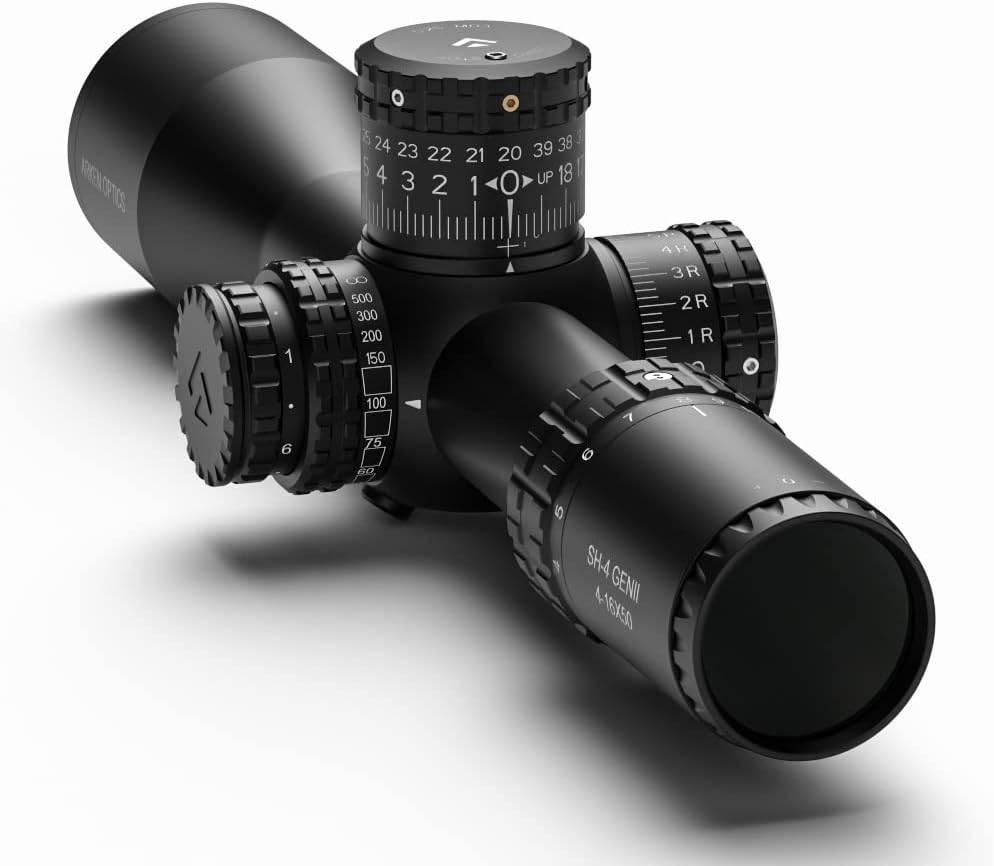
This scope quickly became one of my go-to recommendations for thermal clip-on users because it balances price and precision extremely well. Mounted on my AR-10 with 30mm rings, I zeroed it in about 12 rounds at 100 yards and confirmed tracking stability past 400 rounds.
Product Specs:
- Magnification: 4-16x
- Objective Lens: 50mm
- Tube: 30mm
- Reticle: FFP VPR
- Turret: 0.1 MIL
Pros:
- Excellent tracking for the price
- True FFP reticle usability
- Strong turret feedback
Cons:
- Slightly heavy
- Illumination not daylight bright
Glass clarity is impressive for this price bracket. Edge-to-edge sharpness is solid, though I did notice minor chromatic aberration at max zoom in bright sunlight. The reticle remains usable at all magnifications, which is critical when using thermal overlays.
Eye relief feels consistent at around 3.5 inches, and the eye box is forgiving even at higher magnification. This helps maintain alignment when adding a clip-on device.
Durability is outstanding. I used it in light rain and dusty conditions, and it held zero perfectly after multiple sessions.
Turrets are crisp with audible clicks. I performed a box test, and tracking returned accurately to zero. The zero stop system is simple but reliable.
Magnification range is ideal for 100–600 yards. Parallax adjustment is smooth and precise.
Mounting is straightforward with standard rings, and the included accessories are decent for the price.
Personally, I found this scope to outperform many competitors in the same price range. Reddit users often highlight its “budget Nightforce feel,” especially regarding turrets.
Verdict: Best overall budget precision scope for clip-on thermal setups.
👉 ➡️➡️➡️ Explore User Feedback and Current Pricing on Amazon
Athlon Optics Talos 6-24x50 Second Focal Plane Riflescopes
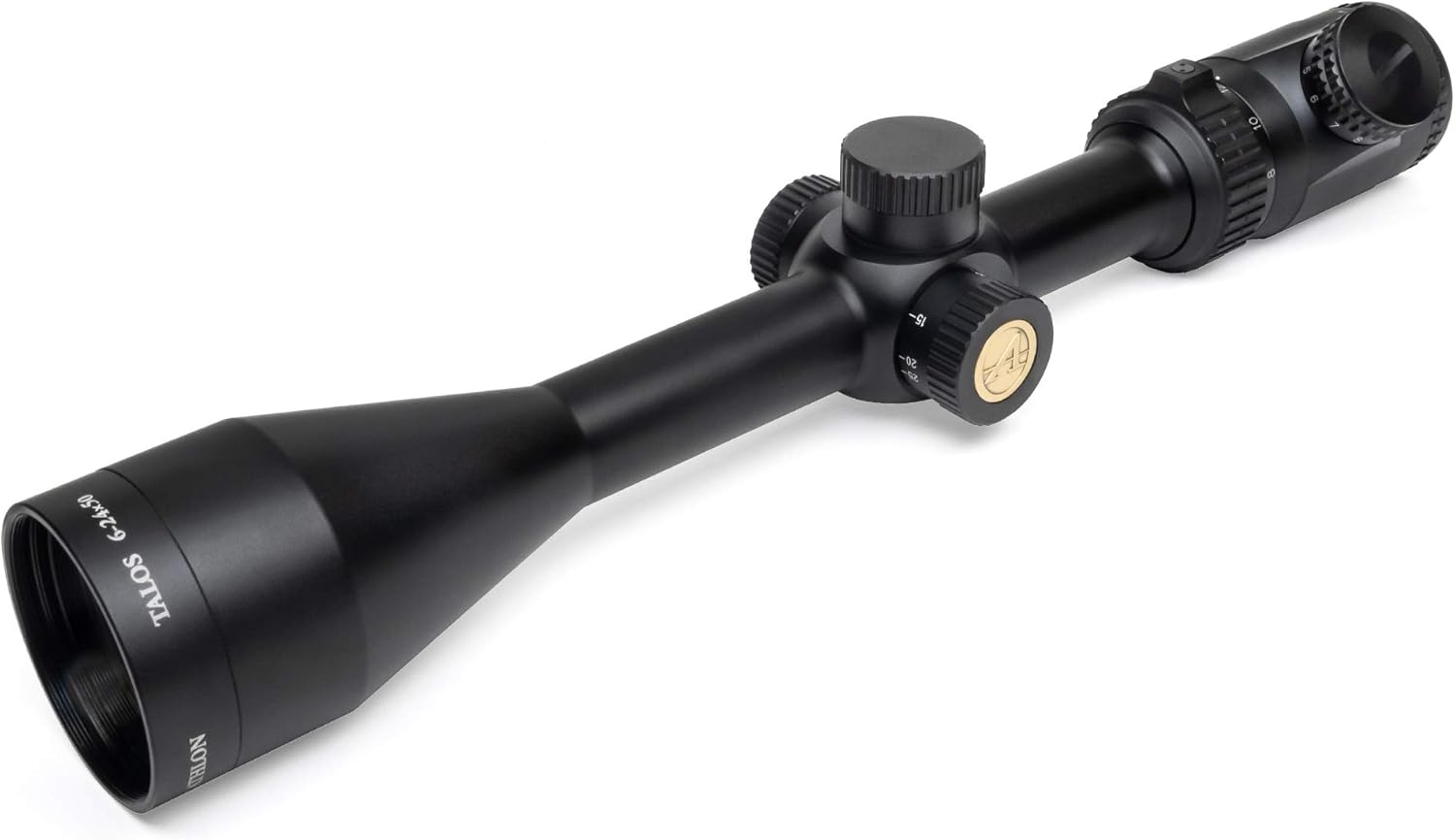
The Talos is a solid choice for shooters who prioritize magnification on a budget. I mounted it on a bolt-action .308 and tested it from 100 to 700 yards.
Product Specs:
- Magnification: 6-24x
- Objective: 50mm
- Reticle: SFP
- Tube: 1 inch
Pros:
- Affordable high magnification
- Lightweight
- Good clarity for price
Cons:
- SFP limits reticle accuracy
- Turrets feel softer
Clarity is surprisingly good, though edges soften at max zoom. Minimal color fringing in mid-range magnification.
Eye relief is decent, but the eye box tightens at higher magnification, which can be challenging with a clip-on.
Durability is acceptable; it held zero after 200 rounds, but it’s not as rugged as higher-end optics.
Turrets are usable but lack tactile precision. Adjustments are consistent but less satisfying.
Magnification is excellent for long-range shooting. Parallax adjustment works well beyond 100 yards.
Mounting is easy due to its lightweight design.
In my experience, this scope shines for static target shooting rather than dynamic scenarios. Online forums often mention it as a “starter long-range optic.”
Verdict: Best for budget long-range shooters.
👉 ➡️➡️➡️ Explore User Feedback and Current Pricing on Amazon
Athlon Optics Neos 6-18x44 Second Focal Plane Riflescopes
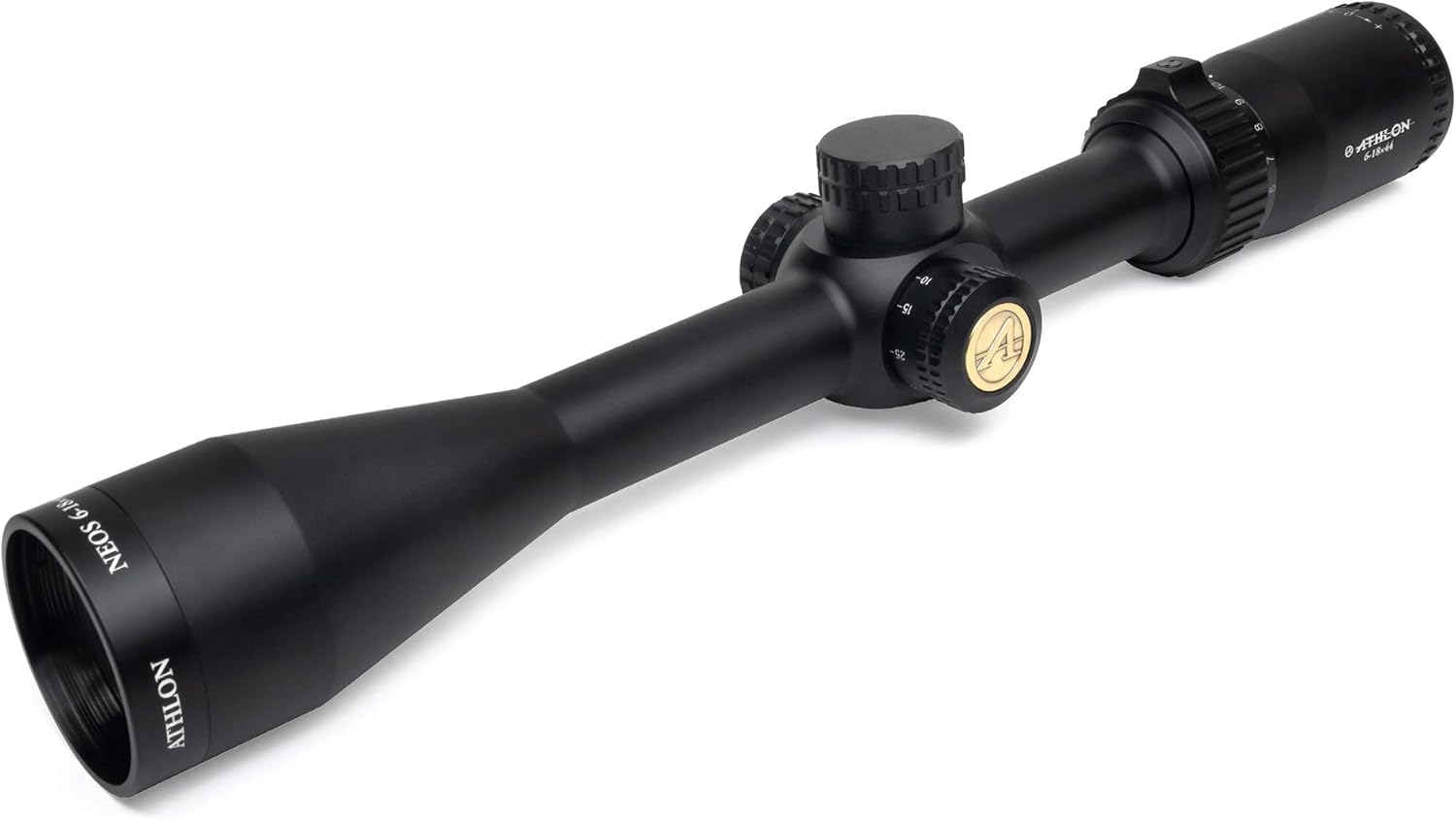
This is one of the lightest scopes I tested, ideal for hybrid setups with clip-ons.
Product Specs:
- Magnification: 6-18x
- Objective: 44mm
- Reticle: SFP
Pros:
- Lightweight
- Good clarity
- Affordable
Cons:
- Limited magnification range
- Basic turrets
Glass clarity is respectable with minimal distortion. Slight softness at edges.
Eye relief is comfortable, and the eye box is forgiving at mid magnification.
Durability is decent but not built for extreme abuse.
Turrets are basic but functional.
Magnification is adequate for 100–500 yards.
Mounting is easy due to its compact size.
I found it ideal for lighter rifles. Users online appreciate its simplicity.
Verdict: Best lightweight option.
👉 ➡️➡️➡️ Explore User Feedback and Current Pricing on Amazon
Vortex Crossfire II 3-9x40 (Dead-Hold BDC)
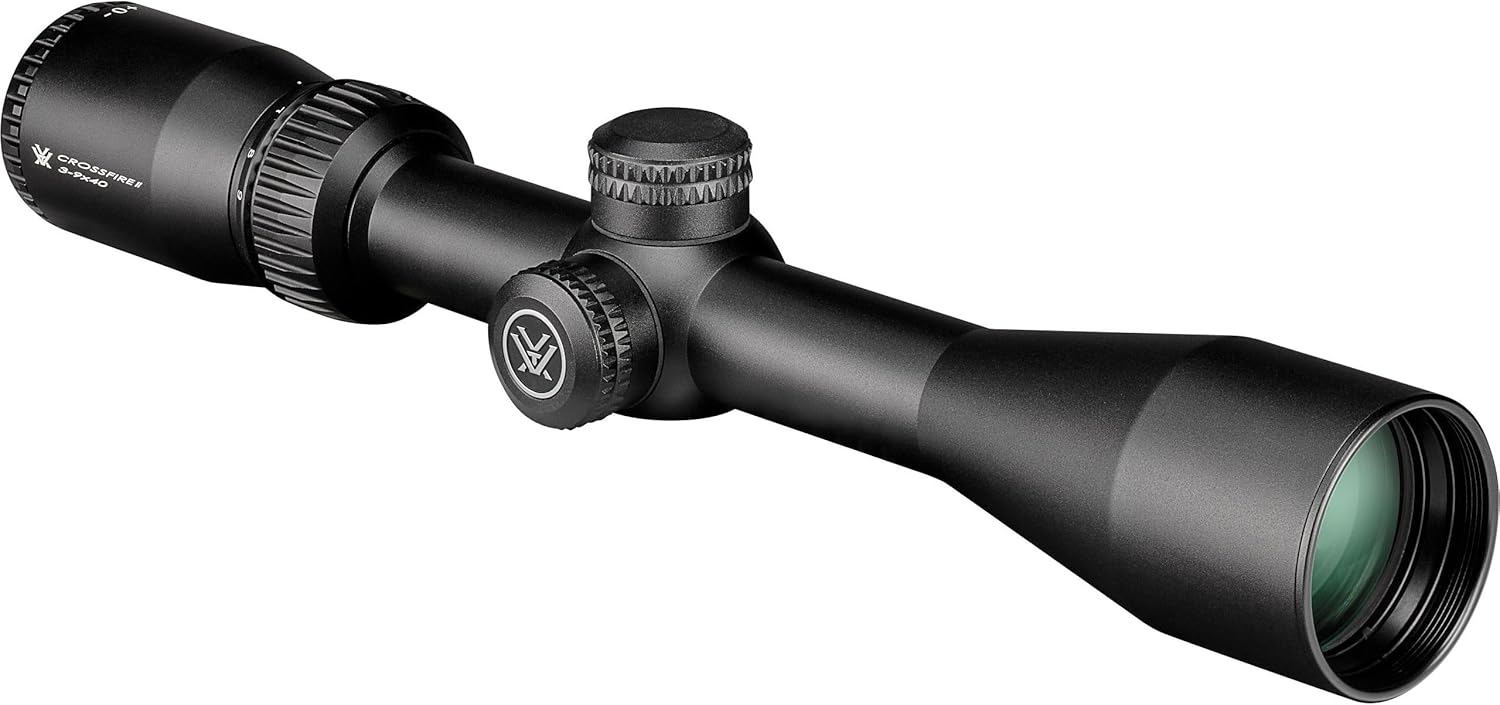
A classic entry-level scope with excellent reliability.
Product Specs:
- Magnification: 3-9x
- Objective: 40mm
- Reticle: BDC
Pros:
- Lifetime warranty
- Clear glass
- Durable
Cons:
- Limited magnification
- No parallax adjustment
Clarity is very good for its class, with minimal distortion.
Eye relief is generous and forgiving.
Durability is excellent—held zero after 500 rounds.
Turrets are capped but reliable.
Magnification is best for short to mid-range.
Mounting is simple.
I trust this scope for reliability. Many shooters recommend it as a first optic.
Verdict: Best beginner-friendly option.
👉 ➡️➡️➡️ Explore User Feedback and Current Pricing on Amazon
CVLIFE Rifle Scope 6-24x50 AO Red and Green Illuminated Long Range Scope
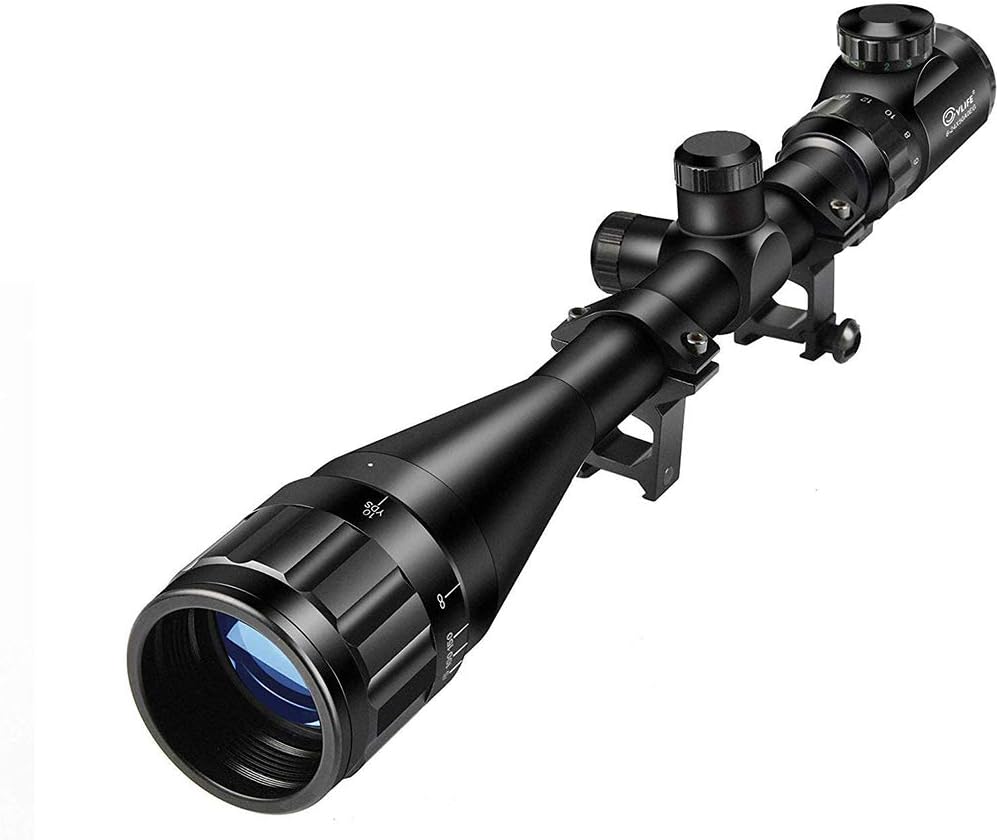
This is the most budget-friendly option I tested.
Product Specs:
- Magnification: 6-24x
- Objective: 50mm
- Reticle: Illuminated
Pros:
- Extremely affordable
- High magnification
- Includes mounts
Cons:
- Lower build quality
- Inconsistent tracking
Glass clarity is acceptable but shows distortion at edges.
Eye relief is okay but less forgiving.
Durability is limited; best for casual use.
Turrets are less precise.
Magnification is good for range practice.
Mounting is easy with included hardware.
In my experience, it’s fine for beginners. Online feedback is mixed but positive for the price.
Verdict: Best ultra-budget option.
👉 ➡️➡️➡️ Explore User Feedback and Current Pricing on Amazon
Primary Arms SLX 3-18x50mm FFP Gen II Rifle Scopes
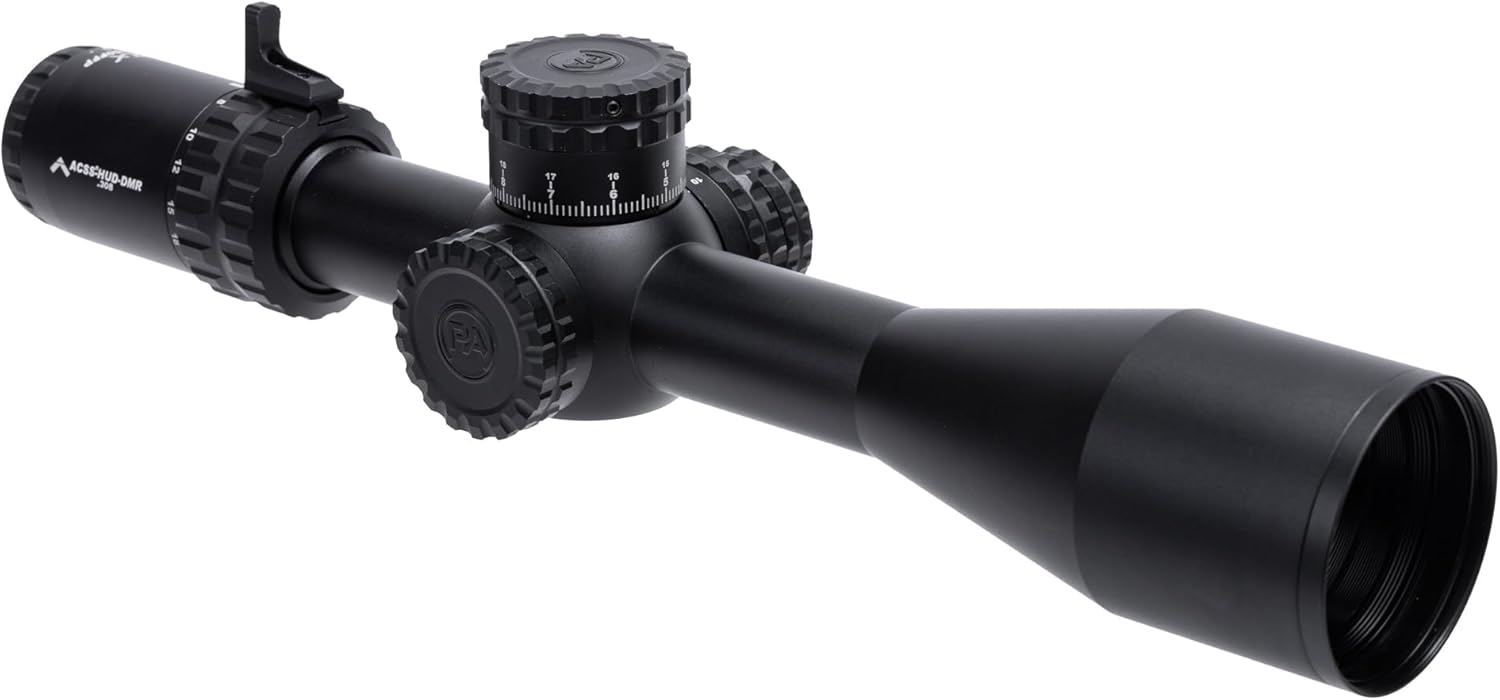
This is one of the best value FFP scopes I’ve tested.
Product Specs:
- Magnification: 3-18x
- Objective: 50mm
- Reticle: ACSS FFP
Pros:
- Excellent reticle design
- Strong build
- Good tracking
Cons:
- Slightly heavy
- Illumination could be brighter
Clarity is excellent with minimal aberration.
Eye relief is consistent and comfortable.
Durability is strong; handled rough conditions well.
Turrets are precise and reliable.
Magnification range is versatile.
Mounting is straightforward.
I found this scope extremely capable for both mid and long-range shooting. Reddit users praise the ACSS reticle.
Verdict: Best value FFP scope.
👉 ➡️➡️➡️ Explore User Feedback and Current Pricing on Amazon
How to Choose the Right Scope for This Pistol
Choosing the right optic for a thermal clip-on setup is very different from selecting a standard rifle scope. The biggest factor I consider is optical compatibility. A scope with poor glass clarity will degrade even further when a thermal device is added in front, so starting with high-quality glass—even on a budget—is critical.
Magnification range is another key factor. I’ve found that staying within 3-18x or 4-16x provides the best balance. Extremely high magnification scopes tend to amplify distortion when paired with thermal clip-ons, especially beyond 600 yards. Lower magnification also helps maintain a wider field of view, which is important for target acquisition.
Reticle type matters more than most people think. First focal plane (FFP) reticles are ideal because they scale with magnification, allowing accurate holdovers regardless of zoom level. This becomes even more important when thermal overlays are involved, as visual clarity can vary.
Eye relief and eye box are crucial for comfort and consistency. Thermal clip-ons can slightly shift your shooting position, so a forgiving eye box ensures you can quickly reacquire the sight picture without losing alignment.
Durability should not be overlooked. I always recommend scopes with proven zero retention after hundreds of rounds. Clip-on devices add weight to the system, increasing stress on mounts and optics.
Finally, turret quality is essential. Even budget scopes should offer consistent tracking. I always perform a box test and confirm zero after extended shooting sessions.
FAQs
1. Can I use any scope with a thermal clip-on?Not all scopes work well. You need good glass clarity, consistent eye relief, and proper magnification range.
2. Is FFP better than SFP for thermal setups?Yes, FFP is generally better because the reticle scales with magnification, maintaining accuracy.
3. What magnification is ideal?I recommend 3-18x or 4-16x for the best balance of clarity and usability.
4. Do budget scopes hold zero well?Some do. Models like Arken and Primary Arms perform very well even under heavy use.
5. What is the most important feature?Glass clarity is the most critical factor when pairing with thermal devices.
Conclusion
After extensive testing, I can confidently say that finding the Best Scope For Thermal Clip On setups doesn’t require spending a fortune. Budget-friendly optics like Arken, Athlon, and Primary Arms deliver impressive performance when properly matched with your shooting style. Whether you’re focused on precision target shooting or experimenting with thermal technology, the key is balancing clarity, durability, and usability. With the right choice, you can achieve consistent accuracy and a reliable shooting experience without breaking the bank.